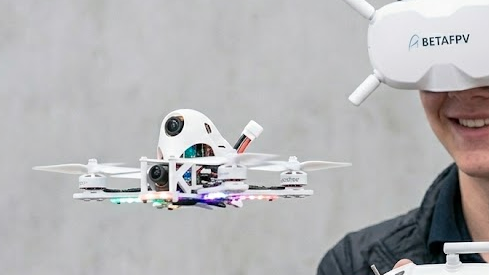
G.R.I.D. introduces students to the basics of geography, mapping, and geospatial technology, including paper maps, cartography, and introductory GIS. Students will learn fundamental mapping skills, practice navigation using GPS, and operate drones in simulation or indoor settings. The course culminates in a simple Story Map project.
GRID F -Geospatial Research & Introduction to Drone Flight
By the end of the course, students will be able to:
Understand basic geography, map elements, and cartography concepts.
Create paper maps using scale, legend, symbols, and topography.
Operate GPS devices and use geospatial coordinates for navigation.
Explore online GIS platforms (ArcGIS Online, Google Earth).
Fly hobby drones indoors and capture basic aerial imagery.
Integrate collected data into a simple Story Map.
Program Outline
Introduction to Geography & Cartography: Paper map elements, scale, compass directions, symbols, and simple field sketching.
Mapmaking with Paper & Data Collection: Creating hand-drawn maps of school or neighborhoods while understanding contours, topography, and legends.
Intro to GIS & Online Maps: Exploring GIS platforms and creating simple digital maps by layering school or city features.
GPS Navigation Basics: Learning coordinates, distance, and bearings through small outdoor exercises using smartphones and GPS units.
Intro to Drones: Understanding drone types, parts, and safety followed by indoor flight practice in a gym or simulation.
Aerial Data & Imagery: Capturing drone images and discussing perspective, scale, and basic image analysis.
Integrating Maps & Drone Data: Combining paper maps with digital overlays and introducing Story Map concepts.
Final Story Map Project Draft: Planning and drafting a simple project mapping a school or local area feature.
Presentation & Reflection: Presenting Story Maps to the class and reflecting on learning and geospatial concepts.
Competency Outcomes
Spatial Literacy: Reading and creating maps to understand how different landmarks and neighborhoods fit together.
Technical Troubleshooting: Learning how to set up, maintain, and fix drone hardware and GPS tools during indoor flight practice.
Precision & Accuracy: Using exact coordinates and measurements to find locations and navigate through real-world spaces.
Data Integration: Taking different types of information, like hand-drawn sketches and drone photos, and organizing them into one digital project.
Strategic Planning: Managing a multi-week project from the first draft to a final presentation that tells a story about a local area.
Ethical Observation: Following safety rules and considering privacy while using drones to take pictures from the sky.
Instead of traditional grading that is based on remembering facts or information, the Social uses a competency based assessment model that focuses on building "durable" skills. These are critical for preparing students for the future of work.